
What Is an Expulsion Fuse and How Does It Protect Power Distribution Systems?
2026-06-07 14:54:11
In modern power distribution systems,electrical safety and equipment protection are essential for ensuring stable and reliable operation.With the continuous development of industrial facilities,commercial power networks,and renewable energy projects,the demand for effective overcurrent protection devices has increased significantly.An Expulsion Fuse is one of the widely applied protection solutions used in medium and high voltage electrical systems.It provides reliable protection against overloads and short circuit faults,helping prevent damage to transformers,power lines,and other important electrical equipment.
An Expulsion Fuse is a type of high voltage fuse that operates by melting a fuse element when excessive current passes through the circuit.When a fault occurs,the increased current generates heat and causes the fuse element to melt.During this process,an electrical arc is created.The special design of the fuse body generates gas under high temperature conditions,which helps extinguish the arc and safely interrupt the current flow.This rapid interruption protects the electrical system from further damage and improves overall power network safety.
Compared with other protection devices,an Expulsion Fuse has a relatively simple structure and reliable operating performance.It does not require complex control systems or additional power sources,making it a practical choice for many outdoor and medium voltage distribution applications.Because of its stable protection performance and convenient maintenance characteristics,it is widely used in electrical distribution networks around the world.
One of the most important applications of an Expulsion Fuse is transformer protection.Distribution transformers are critical components in power systems,and they need effective protection against abnormal current conditions.When a transformer experiences a short circuit or overload situation,the Expulsion Fuse can quickly disconnect the faulty circuit and prevent serious damage to the transformer winding and other internal components.This helps extend equipment service life and reduce maintenance costs.
In overhead distribution networks,Expulsion Fuse products are commonly installed on pole-mounted transformers and distribution lines.Outdoor power systems are often exposed to changing weather conditions,including rain,humidity,dust,and temperature fluctuations.High-quality Expulsion Fuse designs usually include strong insulation performance and durable materials to ensure stable operation in different environments.This makes them suitable for utility power distribution systems,rural electrification projects,and industrial power supply networks.
Another important advantage of an Expulsion Fuse is its easy installation and maintenance.Electrical operators can inspect the fuse condition and replace the fuse link when necessary without replacing the complete protection device.This reduces maintenance time and improves the efficiency of power system management.For many medium voltage applications,this simple maintenance method provides significant operational advantages.
The selection of a suitable Expulsion Fuse requires careful consideration of several technical parameters.The rated voltage is one of the most important factors.The selected fuse should match the voltage level of the electrical system to ensure safe and reliable operation.Common applications include 11kV,12kV,24kV,and 33kV power distribution systems.Choosing the correct voltage rating helps prevent insulation failure and improves system safety.
The rated current is another key consideration when selecting an Expulsion Fuse.The fuse current rating should be suitable for the normal operating current of the protected equipment while also providing effective protection during fault conditions.If the rated current is selected incorrectly,the protection function may not work properly.Therefore,engineers usually evaluate the load characteristics,transformer capacity,and possible fault levels before choosing the appropriate fuse specification.
Environmental conditions also play an important role in Expulsion Fuse selection.For outdoor applications,factors such as humidity,temperature,pollution level,and installation location should be considered.A properly designed Expulsion Fuse can maintain reliable performance under harsh outdoor conditions and provide long-term protection for electrical equipment.
With the growth of renewable energy systems,the application range of Expulsion Fuse continues to expand.Solar power plants,wind energy projects,and distributed energy systems require reliable electrical protection solutions to maintain safe operation.In medium voltage renewable energy collection networks,Expulsion Fuse devices can help isolate faulty sections and reduce the impact of electrical failures.
Industrial facilities also rely on effective electrical protection systems to maintain continuous production.Manufacturing plants,mining operations,chemical facilities,and infrastructure projects often use medium voltage equipment that requires dependable protection against electrical faults.By installing suitable Expulsion Fuse solutions,companies can improve equipment safety,reduce unexpected shutdowns,and maintain stable production processes.
In addition to protection performance,reliability and durability are important reasons why Expulsion Fuse products remain widely used in electrical systems.The simple mechanical structure reduces the possibility of operational failure,while the effective arc extinguishing method ensures safe interruption during fault conditions.These advantages make Expulsion Fuse a preferred choice for many power distribution applications.
When comparing Expulsion Fuse with other fuse technologies,its main advantages include cost efficiency,easy operation,and suitability for outdoor applications.While some advanced protection devices provide additional monitoring and control functions,Expulsion Fuse remains an economical and reliable solution for many medium voltage distribution systems.For applications where simple and effective fault protection is required,it continues to provide excellent performance.
Regular inspection and maintenance are also important for ensuring the long-term performance of an Expulsion Fuse system.Operators should check the physical condition of the fuse,insulation components,and connection points regularly.Any signs of damage,corrosion,or abnormal conditions should be addressed promptly.Proper maintenance helps maintain reliable protection and reduces the risk of unexpected electrical failures.
As global electricity demand continues to increase,the importance of safe and reliable power distribution equipment will continue to grow.Expulsion Fuse technology remains an important part of electrical protection systems due to its reliable performance,simple structure,and wide range of applications.Whether used in distribution transformers,overhead lines,industrial power networks,or renewable energy projects,Expulsion Fuse provides an effective solution for protecting electrical equipment and improving system reliability.
In conclusion,an Expulsion Fuse is a dependable overcurrent protection device designed for medium and high voltage electrical applications.Its ability to quickly interrupt fault currents,protect valuable equipment,and operate reliably in outdoor environments makes it an essential component of modern power distribution systems.By selecting the right specifications and maintaining the equipment properly,Expulsion Fuse solutions can provide long-lasting protection and support the safe operation of electrical networks.
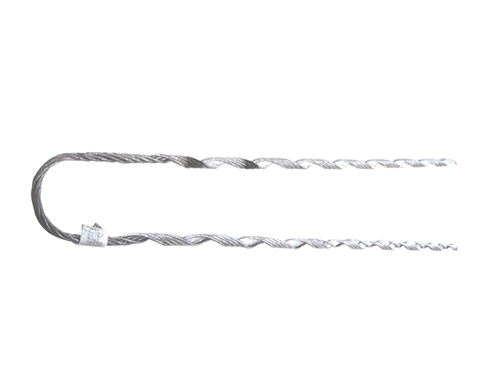
purposeClamp is used to fix the terminal of ground wire of overhead line. Material ScienceF...
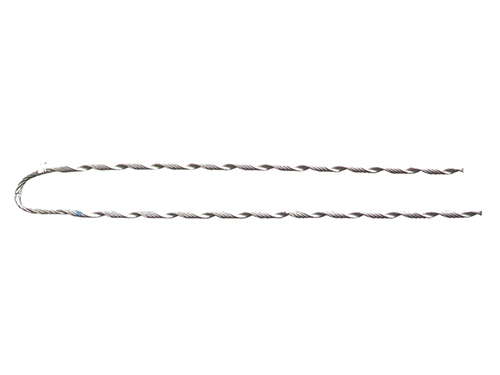
NL series pre twisted strain clamps are used for the installation of bare conductor or over...
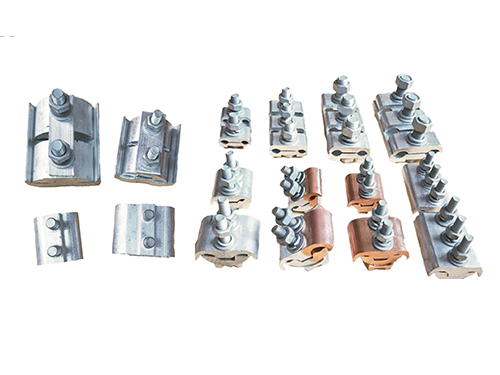
The scientific hinged structure and fixing elements are adopted in the product design, whic...
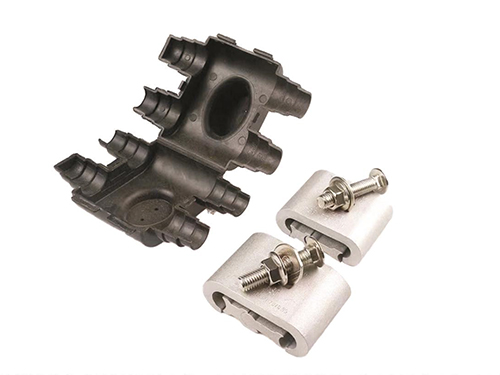
The scientific hinged structure and fixing elements are adopted in the product design,which...